Custom Hoodies Fabric Guide: GSM, Fleece Types, Cotton & Performance Blends Selecting the right fabric is paramount when designing cus...
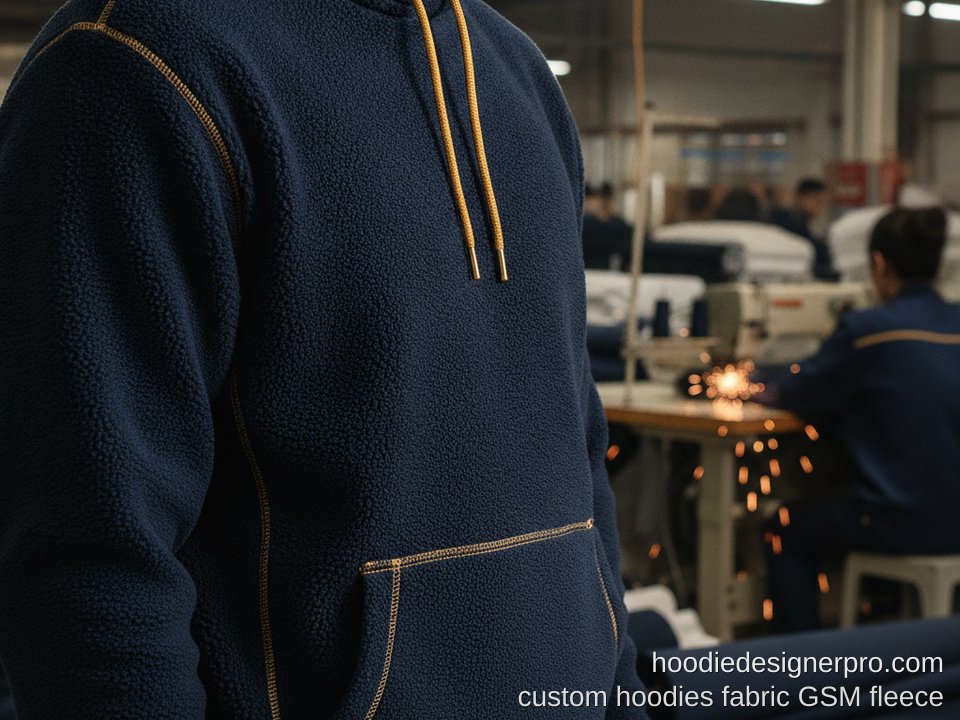
Custom Hoodies Fabric Guide: GSM, Fleece Types, Cotton & Performance Blends
Selecting the right fabric is paramount when designing custom hoodies that meet your brand's quality standards and your customers' expectations. The feel, drape, durability, and even the printability of a hoodie are heavily influenced by its material composition and weight. Understanding key fabric metrics like GSM and the nuances of different fleece types, cotton, and performance blends is crucial for making informed decisions. At Hoodie Designer Pro, operated by Gold Garment in Ho Chi Minh City, Vietnam, we empower brands with factory-direct pricing and worldwide shipping for MOQs as low as 100 pieces, ensuring you get the perfect fabric for your custom hoodie project.
Understanding Fabric Weight: The Importance of GSM
When discussing custom hoodies fabric GSM fleece, the term GSM (grams per square meter) is your most important metric. It directly indicates the weight and density of the fabric. A higher GSM generally means a thicker, heavier, and often warmer fabric, while a lower GSM signifies a lighter, more breathable material. This hoodie GSM guide is essential for tailoring your product to its intended use, climate, and desired aesthetic.
Low GSM (Under 200 GSM)
Fabrics below 200 GSM are typically lightweight. They are ideal for warmer climates, layering pieces, or promotional items where a lighter feel is preferred. These fabrics offer excellent breathability and drape, making them comfortable for everyday wear. However, they may not provide the same level of warmth or structure as heavier options.
Mid-Weight GSM (200-300 GSM)
This is the sweet spot for many custom hoodie applications. Fabrics in the 200-300 GSM range offer a good balance of warmth, durability, and comfort. They are substantial enough for a quality feel without being overly heavy, making them versatile for various styles and seasons. This is often the preferred weight for standard retail-quality hoodies.
High GSM (Over 300 GSM)
Fabrics exceeding 300 GSM are considered heavyweights. They provide exceptional warmth, a luxurious feel, and significant durability. These are the go-to choices for premium hoodies designed for cold weather, workwear, or brands aiming for a robust, high-end impression. The substantial weight contributes to a structured silhouette.
Exploring Fleece Types for Custom Hoodies
Fleece is a dominant fabric in hoodie manufacturing, prized for its softness, warmth, and comfort. However, not all fleece is created equal. Understanding the different types will help you achieve the desired look and feel for your custom hoodies. As a professional manufacturer, we offer a range of fleece options to suit diverse needs, as detailed in our custom hoodies: Complete OEM & Private Label Manufacturing Buyer's Guide.
Brushed Fleece (Standard Fleece)
This is the most common type of fleece, characterized by one side being brushed to create a soft, fuzzy nap. The other side typically remains smooth. Brushed fleece offers excellent warmth and a comfortable feel against the skin, making it a popular choice for everyday custom hoodies.
Unbrushed Fleece (French Terry)
French terry is a knit fabric that features loops on the inside and a smooth surface on the outside. It's lighter than brushed fleece and offers better breathability, making it ideal for transitional weather or activewear. It provides a more refined look and feel compared to standard brushed fleece.
Sherpa Fleece
Sherpa fleece is known for its exceptionally soft, plush texture, mimicking sheep's wool. It's typically used as a lining for hoodies, providing superior warmth and a luxurious feel. Sherpa-lined hoodies are perfect for extreme cold or brands seeking a premium, cozy product.
Cotton: The Foundation of Quality Hoodies
Cotton remains a cornerstone fabric for custom hoodies due to its natural properties: breathability, softness, and durability. When considering fleece vs cotton custom hoodies, it’s important to note that most fleece is made from cotton or a cotton blend. The quality of the cotton used significantly impacts the final product.
100% Cotton
Pure cotton hoodies are highly breathable, hypoallergenic, and feel soft against the skin. They are excellent for those with sensitive skin or who prefer natural fibers. However, 100% cotton can be prone to shrinking and wrinkling if not cared for properly. It also absorbs moisture and can take longer to dry.
Cotton Blends
Cotton is frequently blended with synthetic fibers like polyester to enhance its performance. These blends offer a balance of cotton's comfort and polyester's durability, wrinkle resistance, and quicker drying times. Common blends include 50/50 cotton-polyester or 80/20 cotton-polyester, offering varying degrees of each fiber's benefits.
Performance Blends: For Active and Technical Apparel
For brands targeting athletic markets or those seeking enhanced functionality, performance fabric hoodies Vietnam offer advanced features. These blends are engineered to wick moisture, regulate temperature, and provide superior comfort during physical activity. Understanding these materials is key to creating technical apparel that performs.
Polyester Blends
Polyester's inherent properties—durability, wrinkle resistance, and colorfastness—make it a popular choice for performance hoodies. When blended with cotton or other fibers, it creates fabrics that are both comfortable and functional. Polyester-based fabrics are excellent for moisture-wicking and quick drying.
Spandex/Elastane Blends
Adding a small percentage of spandex (also known as elastane or Lycra) to cotton or polyester blends introduces stretch and recovery. This results in hoodies that offer greater freedom of movement, a better fit, and resistance to losing their shape. These are essential for activewear and form-fitting styles.
Moisture-Wicking Fabrics
These specialized fabrics are designed to draw sweat away from the body to the fabric's surface, where it can evaporate quickly. This keeps the wearer dry and comfortable during intense activity. Many performance blends incorporate moisture-wicking technology, crucial for sportswear.
Choosing the Right Fabric for Your Custom Hoodies
The ideal fabric for your custom hoodies depends on your brand's identity, target audience, and intended use. Consider the climate, the desired aesthetic, and the level of comfort and durability required. For instance, a brand focused on streetwear might opt for a mid-weight brushed fleece for its classic feel, while an athleisure brand might prefer a French terry or a performance blend for enhanced comfort and mobility.
Weight and Warmth
Determine the level of warmth needed. Heavyweight fleece (300+ GSM) is best for cold climates, while lighter options (under 200 GSM) are suitable for milder weather or layering. The hoodie GSM guide helps you align weight with your climate needs.
Softness and Feel
The tactile experience is crucial. Cotton offers natural softness, while brushed fleece provides a fuzzy, comforting texture. Sherpa lining adds a premium, plush feel. Consider how the fabric will feel against the skin for extended wear.
Durability and Maintenance
For garments that need to withstand frequent washing and wear, blends with polyester offer superior durability and wrinkle resistance. 100% cotton can be more prone to wear and tear if not maintained. Understanding the manufacturing process, as explained in our How custom hoodies Are Made: Complete Manufacturing Process Step-by-Step, can also inform fabric choices related to longevity.
Aesthetic and Drape
Different fabrics have different drapes and finishes. French terry offers a smoother, more refined look, while brushed fleece has a softer, more casual appearance. The weight also affects how the fabric hangs on the body, influencing the overall silhouette. Learn more about various Hoodie Styles Guide: Pullover, Oversized, and More.
At Hoodie Designer Pro, we pride ourselves on offering a comprehensive range of fabric options to meet diverse brand needs. Our commitment to quality extends from the yarn to the finished garment, ensuring you receive custom hoodies that embody your vision. We understand the complexities of international sourcing and provide a streamlined process, as shown by our fabric sourcing Vietnam guide. Whether you're looking for classic cotton comfort, the cozy warmth of fleece, or the advanced functionality of performance blends, our factory-direct approach in Vietnam ensures you receive exceptional value. We work with brands of all sizes, and our custom hoodies MOQ Guide clarifies our accessible minimum order quantities. A real example of our capabilities can be seen in projects like the one detailed by Vietnam hoodie OEM Gold Garment.
Frequently Asked Questions
Q: What is the most common GSM for custom hoodies?
A: The most common GSM for custom hoodies falls within the mid-weight range, typically between 250-300 GSM. This range offers a good balance of warmth, durability, and comfort, making it suitable for a wide variety of applications and climates.
Q: How do I choose between fleece and cotton for my custom hoodies?
A: If warmth and a soft, fuzzy feel are priorities, fleece is an excellent choice. If breathability, natural softness, and a smoother finish are preferred, 100% cotton or a high-cotton blend is ideal. Many custom hoodies use cotton fleece, combining the benefits of both.
Q: Are performance fabric hoodies suitable for everyday wear?
A: Yes, performance fabric hoodies can be excellent for everyday wear, especially if you value breathability, moisture-wicking capabilities, and a lighter feel. While engineered for activity, their comfort and technical features can be a significant advantage for daily use.
Q: What is the difference between OEM and Private Label manufacturing for custom hoodies?
A: In OEM (Original Equipment Manufacturer), you provide the design and specifications, and the manufacturer produces it. In Private Label, you essentially buy an existing design from the manufacturer and brand it as your own. Our guide on OEM vs Private Label custom hoodies Manufacturing further elaborates on these models.
Partner with Hoodie Designer Pro for factory-direct custom hoodies, offering exceptional quality and value from our Vietnam-based manufacturing facility.
📩 Request a Free Quote — Response Within 5 Minutes
🌎 Website: hoodiedesignerpro.com
Factory-direct pricing · MOQ from 100 pcs/style · Sample development · Worldwide shipping


